
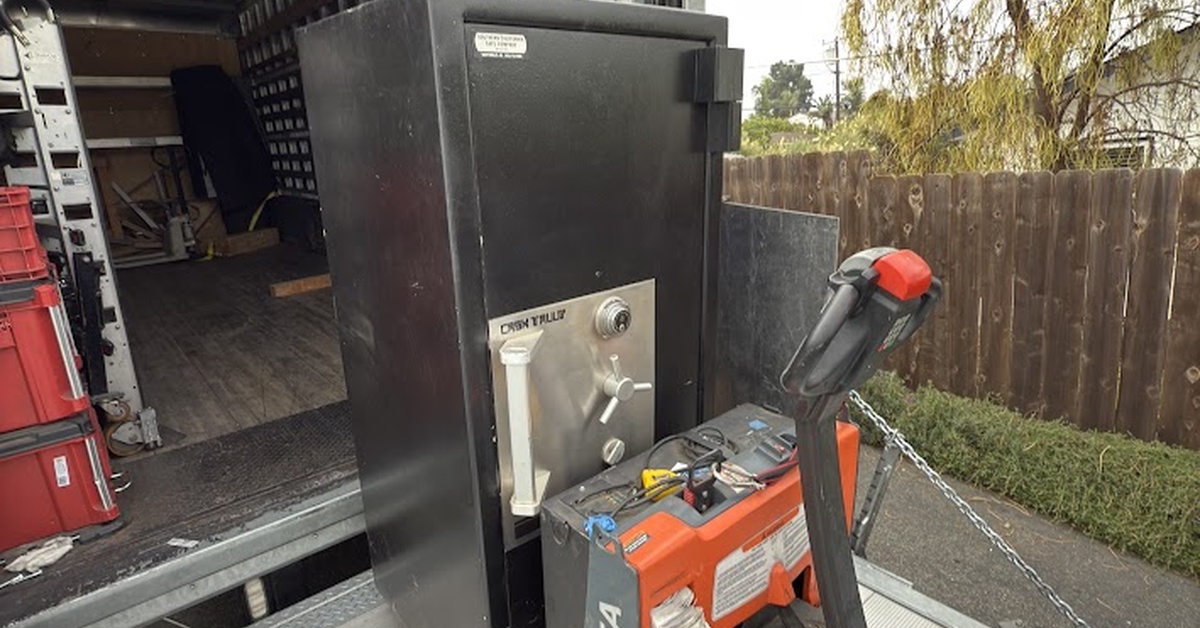
Moving a safe often looks manageable at first glance. The weight, shape, and placement challenges quickly change that perception. Why professional safe movers are worth it becomes clear once the risks and logistics come into focus.
Most safes protect items that carry financial or personal value. A rushed or poorly planned move can damage the safe, the home, or both. A careful approach, backed by experience and proper tools, keeps everything intact and avoids unnecessary stress.
Many homeowners start with the idea of handling the move themselves. After a closer look at the weight and layout, that plan tends to shift. Safes demand more than effort. They require planning, control, and the right equipment from the start.
Safes Bring More Than Just Weight
A safe doesn’t function like typical furniture. Its low, uneven weight distribution makes balancing more challenging. Residential safes often weigh several hundred pounds, while larger gun safes and vaults can weigh thousands, exerting constant pressure on the floor and complicating movement.
The shape further complicates handling; flat sides and rigid edges make gripping and repositioning difficult. Without proper technique, safes can tilt or slide unpredictably. This combination of weight and design turns even small relocations into complex procedures.
Planning The Move Before It Starts
A successful move begins with a clear plan. Experienced crews walk through the space, mapping out each step before moving the safe.
They look at:
- Entry and exit points
- Floor types and load limits
- Staircases and elevation changes
- Clearance through doorways and hallways
This preparation removes guesswork. It also helps avoid last-minute adjustments that can lead to damage or delays.
Planning also includes timing and coordination. Crews prepare for each phase of the move to keep the process controlled from beginning to end.
Equipment Built For Heavy And Controlled Movement
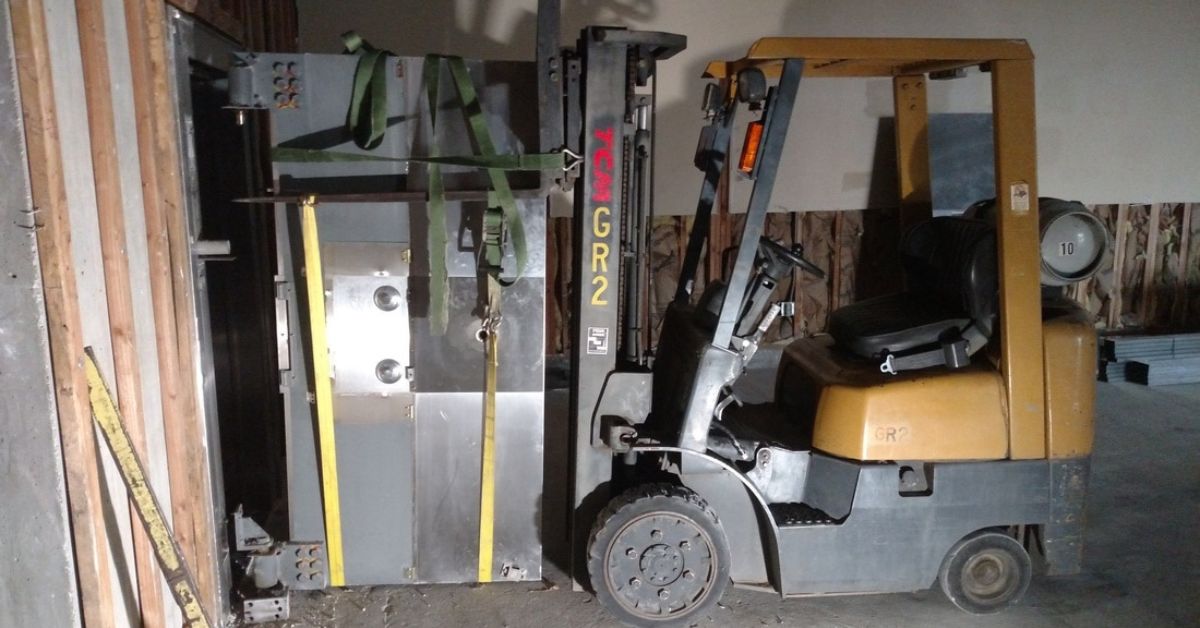
Standard moving tools fall short when handling safes. Professional crews rely on specialized equipment that supports both weight and control.
Common tools include:
- High-capacity dollies designed for heavy loads
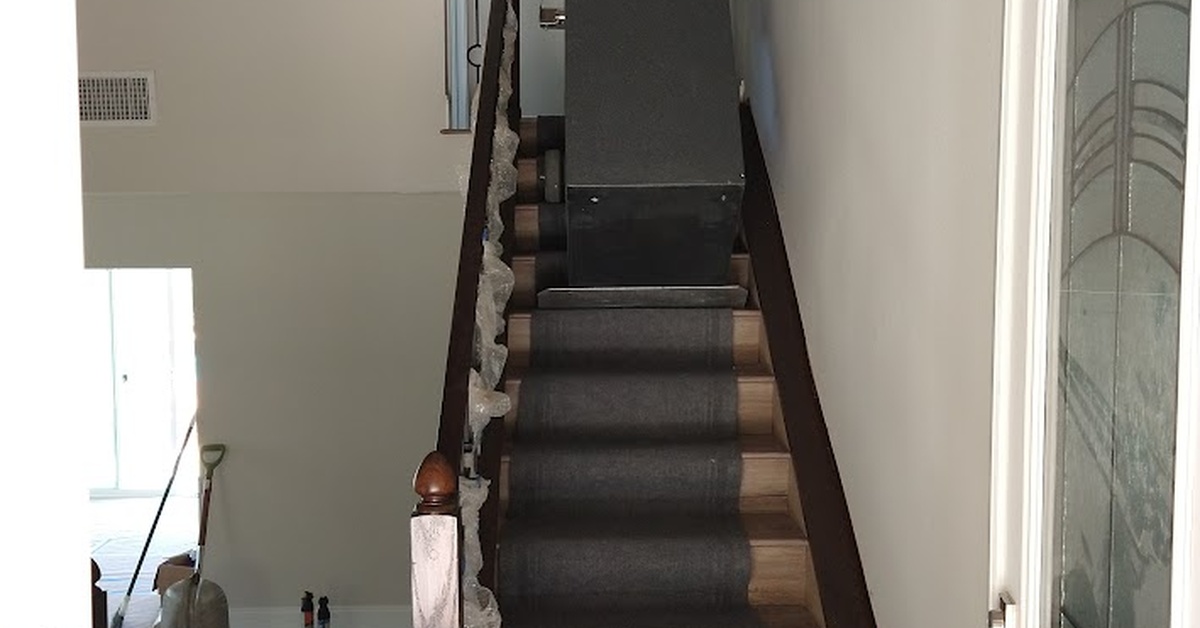
- Stair-assist systems for multi-level homes
- Lift gates for loading and unloading
- Floor protection materials that prevent surface damage
These tools enable movers to guide objects safely and accurately. They also help keep movements steady, minimizing sudden shifts. Without appropriate equipment, even minor errors can lead to the safe dropping or slipping. Using the correct tools prevents this.
How Professionals Reduce Risk Of Injury
Moving a safe without proper training poses a significant risk of injury, as even a single slip can cause serious harm. Skilled movers emphasize controlled movements at every phase, coordinating each step and communicating clearly throughout the process.
Teams position themselves around the safe to distribute the load evenly, ensuring stability and preventing sudden shifts that could cause accidents. They also use proper lifting techniques and appropriate equipment to minimize physical strain and reduce the risk of injury during the move.
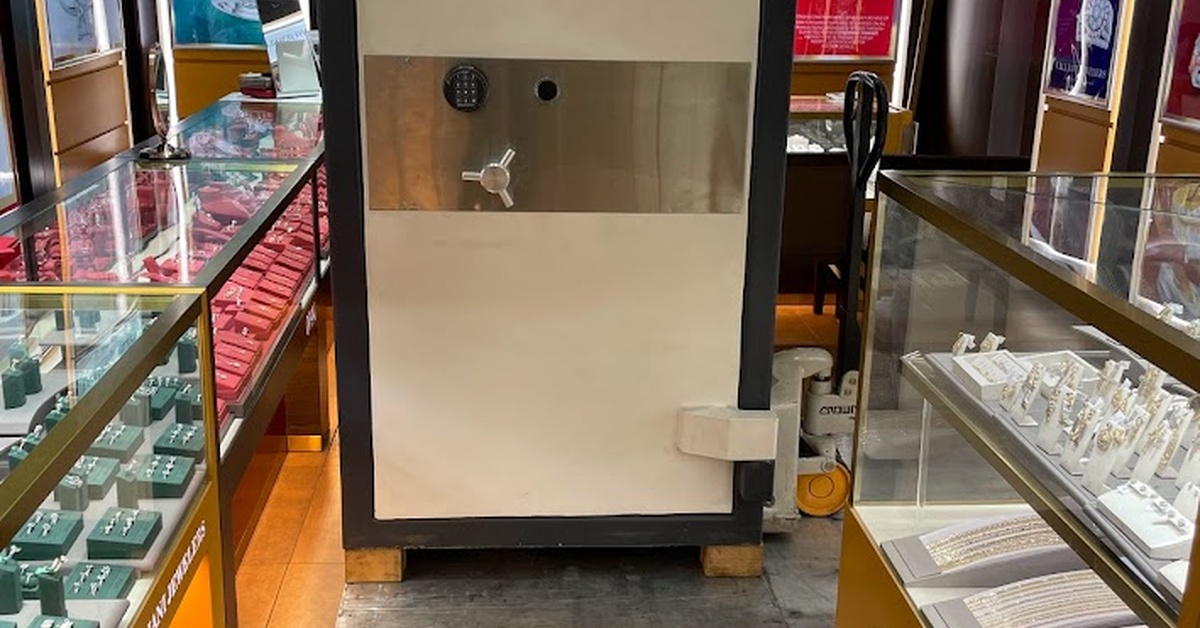
Protecting Floors, Walls, And Doorways
A heavy safe can cause lasting damage if it drags or shifts during transport. Hardwood floors may scratch, tiles might crack, and door frames can chip. Professional movers mitigate these risks from the outset by placing barriers between the safe and the floor and guiding the safe along a chosen route.
They also consider pressure points to prevent stress that could harm the flooring over time. Navigating carefully through doorways and narrow spaces protects both the home and the safe. Paying attention to small details during the move significantly improves the outcome.
Handling Tight Spaces And Difficult Layouts
Every home presents a different challenge. Some include narrow hallways, sharp turns, or steep staircases.
Experienced crews adjust their approach based on the layout. They know how to pivot a safe through tight angles while maintaining control.
They also anticipate problem areas early. That awareness allows them to adjust positioning before the safe reaches a difficult section.
Outdoor paths can add another layer of difficulty. Uneven ground, slopes, or limited access points require careful handling and the right equipment.
Placement Affects Safety And Daily Use
Where the safe ends up matters as much as how it gets there. Poor placement can affect both safety and usability.
Professionals consider:
- Floor strength and support
- Accessibility for daily use
- Door clearance for full opening
- Stability once the safe sits in place
They position the safe with long-term use in mind. This helps prevent tipping and supports proper function over time.
Proper placement also supports security. A well-positioned safe remains stable and harder to move without the right tools.
Time Efficiency Without Rushing The Process
A safe move can take longer than expected without the right experience. Delays often come from trial and error during the process.
Professional crews follow a structured plan. Their preparation and coordination allow them to move efficiently while maintaining control.
They move with purpose and precision. Each step connects to the next, which keeps the process moving without unnecessary stops.
This approach keeps the process smooth and reduces disruption inside the home.
Avoiding Costly Mistakes During A Move
A do-it-yourself move can lead to unexpected expenses. Damage to flooring or walls can require repairs. Injuries can lead to medical costs.
Professional movers reduce these risks through preparation and proper handling. Their experience helps prevent the types of mistakes that drive up costs.
Paying for skill and precision often prevents larger expenses later. A controlled move protects both the safe and the surrounding space.
Experience Leads To Better Outcomes
Hands-on experience is crucial for safe moving. Every move presents unique challenges, and seasoned crews know how to handle them. They can identify when a plan requires modification and understand how to maintain control in tough situations.
Working with professional safe and vault movers offers confidence built on experience and skill, ensuring the process remains controlled rather than uncertain. This consistency results in better outcomes, whether moving small residential safes or large vault systems.
What This Means For Your Next Safe Move
Even a short move across a room can create problems without the right approach. Weight distribution, balance, and surface protection all come into play.
Why professional safe movers are worth it comes down to consistency and care. Trained crews handle each step with attention to detail, from planning through final placement.
If you plan to move a safe and want to avoid damage or injury, it helps to speak with a team that handles these jobs every day. A quick conversation can clarify what your move involves and what to expect before anything begins.

Leave A Comment