
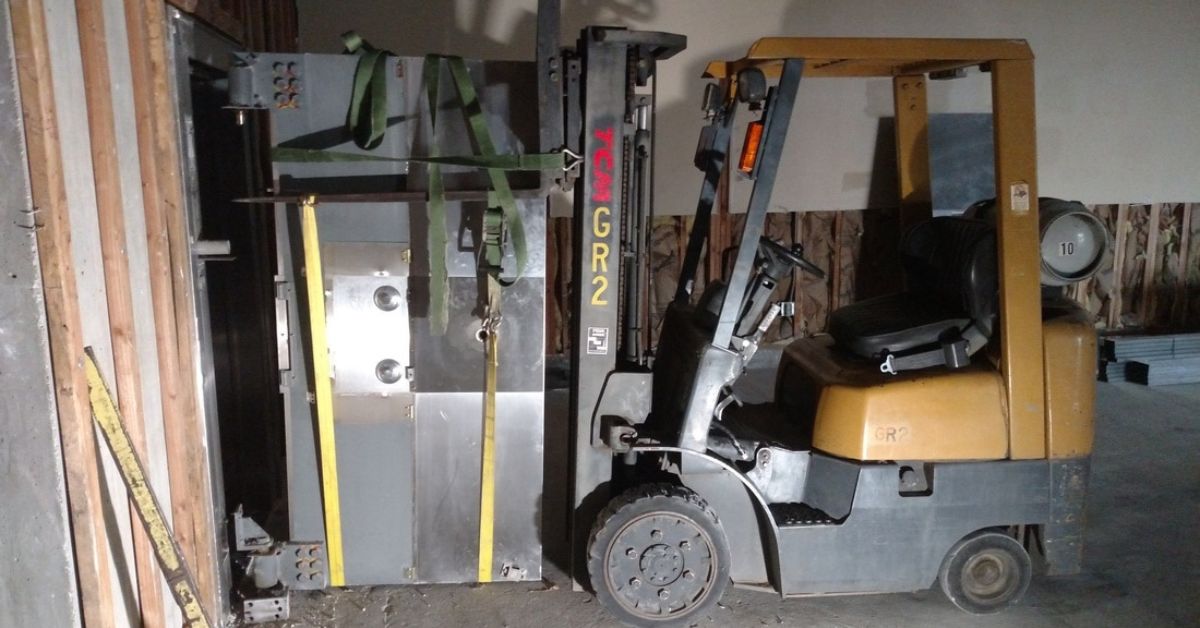
Removing a vault is rarely a simple demolition job. Banks, businesses, and commercial properties often remove vaults during renovations, ownership changes, or building repurposing. Many property owners assume the process works like removing a wall or heavy equipment, but vaults involve far more complexity.
Vaults exist to resist forced entry. Manufacturers build them with thick steel, reinforced concrete, and specialized locking systems. Those materials protect valuables, but they also create challenges when it comes time to remove them. Understanding what affects vault removal costs helps property owners prepare for the scope and planning involved in the project.
Several factors influence pricing, from vault size to building accessibility. When professionals evaluate a removal project, they examine the structure, equipment needs, and safety considerations before providing an accurate estimate.
Why Vault Removal Requires Specialized Expertise
Vault removal demands specialized knowledge and equipment. Unlike standard demolition projects, vaults contain dense materials designed to withstand cutting, drilling, and forced entry.
Professionals must plan the removal carefully to avoid damaging the surrounding structure. A poorly planned removal can compromise floors, walls, or structural framing.
Experienced vault technicians understand how vaults are built and anchored into buildings. They know where reinforcement exists and how to safely dismantle the structure. That knowledge reduces risk and prevents costly mistakes during demolition.
Companies that work with safes and vaults regularly recognize the internal construction methods and hardware used in different models. This experience helps technicians remove vault components efficiently without unnecessary damage to the building.
Vault Size and Overall Weight
The size of a vault significantly affects removal costs. Some vaults are just a heavy door and a small reinforced room, while others have large, multi-ton steel-and-concrete structures. A small commercial vault door can weigh several thousand pounds, whereas large bank vault doors may exceed ten thousand pounds, with the reinforced vault room behind them adding even more weight.
Heavier structures need stronger lifting equipment and more labor during removal. Crews also must plan safe ways to transport large vault parts. The bigger the vault, the more time and coordination are necessary for technicians to dismantle and remove it safely.
Materials Used in Vault Construction
The construction materials of a vault affect how hard they are to remove. Many old bank vaults are built with thick steel plates and reinforced concrete. Modern vaults often use layered composite materials designed to resist cutting and drilling, enhancing security but complicating demolition. Cutting hardened steel demands special tools and considerable effort.
Reinforced concrete often includes steel mesh or rebar inside, making it even tougher to break. The stronger the vault materials, the more time and specialized equipment are needed for safe removal.
Building Location and Accessibility
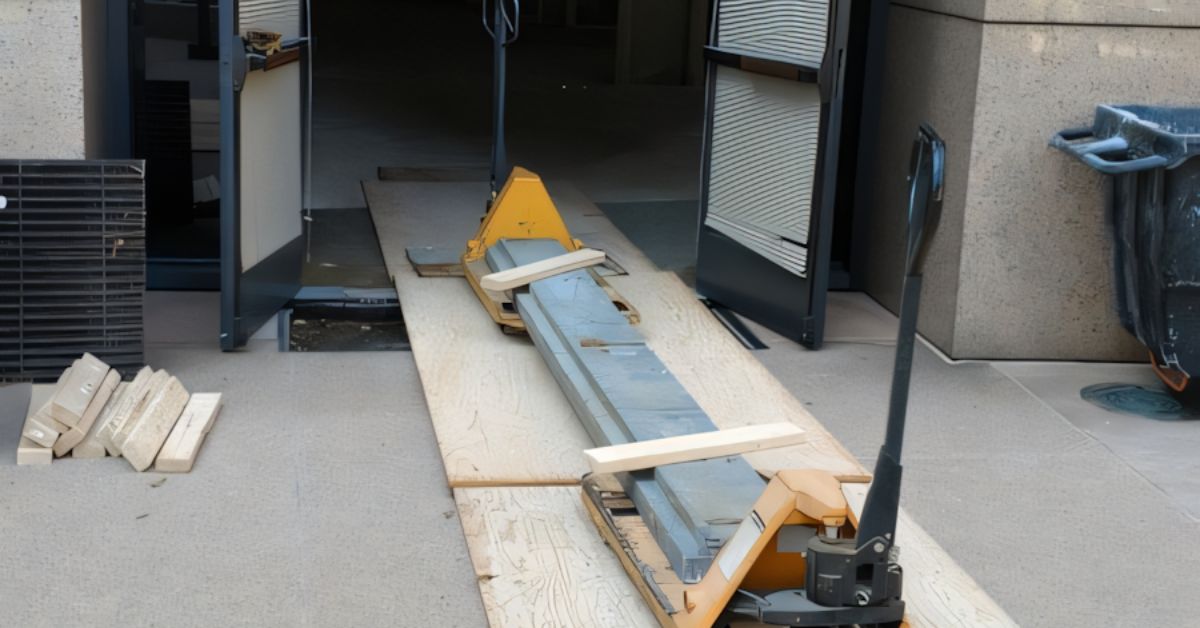
The vault’s location within a building greatly influences the removal process. Vaults on ground floors with ample access points enable crews to move equipment and remove materials more easily. Conversely, confined spaces, such as narrow corridors, stairwells, and basements, add to the difficulty.
Often, crews need to skillfully maneuver large vault components through narrow doorways or other restricted areas. This may involve disassembling sections to ensure safe transport. Accessibility issues can prolong timelines and increase labor costs, affecting the overall price.
Equipment Required for Vault Removal
Professional vault removal requires specialized equipment designed to safely move extremely heavy objects.
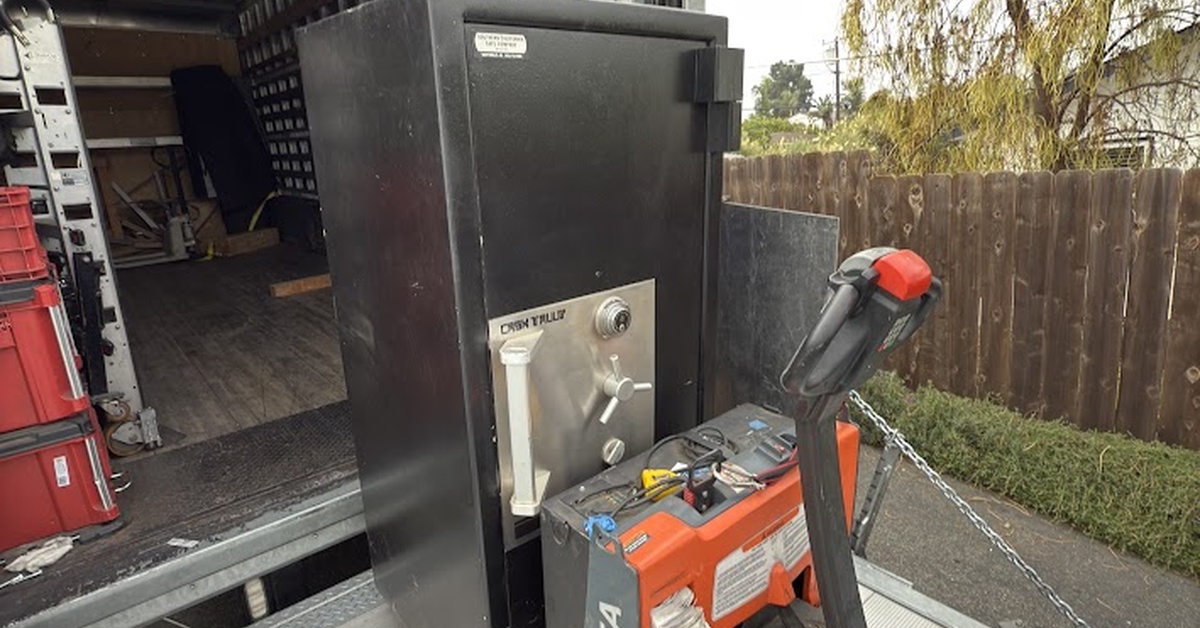
Technicians may use lifting systems, rigging tools, and heavy-duty transport equipment to remove vault components without damaging the building.
Modern equipment allows trained crews to move thousands of pounds efficiently while maintaining safety. Companies that invest in specialized tools can often complete removals faster and more safely.
Equipment selection depends on the vault size, construction, and location within the building.
Structural Modifications During Removal
Vaults are frequently integrated into a building’s structure, anchoring into concrete floors, reinforced walls, or structural framing. Removing a vault may involve cutting through concrete or dismantling surrounding elements. During this process, technicians need to safeguard nearby surfaces.
Proper planning helps avoid unnecessary structural damage and maintains the building’s safety following vault removal. Additionally, some projects require minor restoration work after the vault is removed.
Transportation and Material Disposal
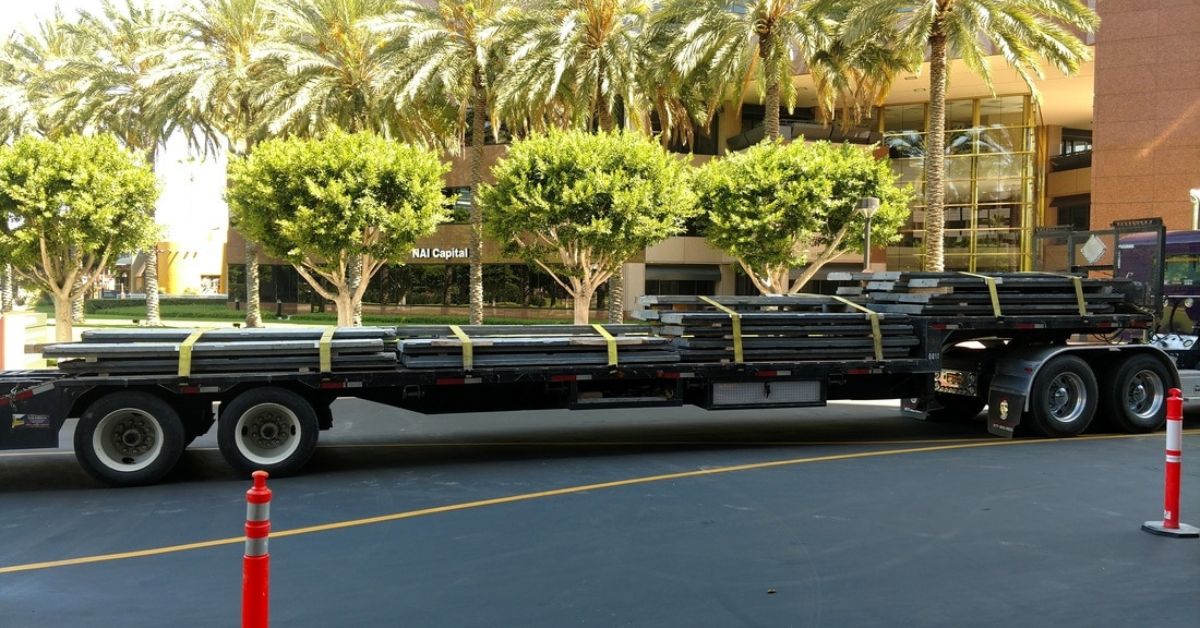
Once technicians dismantle the vault, they must carefully transport the materials away from the property. Vault doors and structural parts are made of large quantities of steel and reinforced concrete, so moving them demands heavy-duty transport equipment.
Recycling is often involved in vault disposal, with steel parts typically sent to metal recycling facilities and concrete needing specialized disposal methods. Planning the transportation and disposal process adds to the overall project costs.
Labor and Project Time Requirements
Labor remains one of the most important factors in vault removal pricing. Every vault removal project requires careful planning, safety precautions, and experienced technicians.
Several variables influence how much labor a project requires:
- Size and weight of the vault structure
- Difficulty of cutting reinforced materials
- Accessibility inside the building
- Safety preparation and equipment setup
- Time required for demolition and cleanup
Larger or more complex vaults may require additional technicians and longer project timelines. Experienced crews plan the removal step by step to maintain safety and efficiency.
Safety Planning Before a Vault Removal Project
Vault removal begins well before technicians cut steel or dismantle concrete. Skilled crews invest time in planning the safest approach before any demolition work. They initially assess the surrounding structure to ensure the removal won’t endanger floors, walls, or nearby systems.
This preparation helps crews understand what affects vault removal costs, because safety planning often determines how the project must proceed. Some removals require additional precautions or specialized rigging methods to protect both the building and the workers involved.
Careful preparation allows technicians to remove vault structures efficiently while keeping the worksite controlled and secure throughout the process.
Planning a Vault Removal?
Vault removal requires careful planning, specialized equipment, and experienced technicians. These structures are designed to resist forced entry, making their dismantling far more complex than standard demolition work.
When property owners understand the factors involved, they can approach the process with realistic expectations. Vault size, materials, building access, equipment needs, and labor all influence the final price.
Working with professionals who understand vault construction helps ensure the job proceeds safely and efficiently. If your business needs a vault removed during renovation or building repurposing, partnering with an experienced safe removal company ensures the project receives the proper planning, equipment, and expertise required for a successful removal.

Leave A Comment