
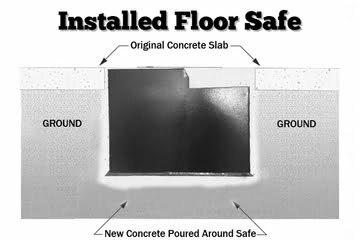
Homeowners are increasingly seeking more effective ways to secure their valuables. While freestanding models are standard, floor safes offer a distinct advantage: concealment. A thief cannot steal what they cannot find. If you are considering this security upgrade, understanding the process ensures you make the best choice for your property. From selecting the right location to evaluating the foundation, there are several key factors to consider before starting a floor-safe installation.
Read on to learn the key factors to consider before booking an installation. From understanding the requirements for concrete slabs to recognizing the importance of professional assistance, this guide will provide a clear plan for adding this essential layer of security to your home.
Assessing Your Foundation Type
The most critical factor in installing a floor safe is the composition of your floor. Floor safes require a solid concrete foundation to function correctly. This provides the necessary anchor to prevent the safe from being removed and protects the safe’s body.
If you have a post-tension slab, installation becomes dangerous and complicated. Post-tension slabs contain steel cables under high tension. Cutting into these slabs can snap a cable, causing structural damage to the home and potentially injuring the installer. Always verify your foundation type. If you are unsure, consult a professional to inspect the slab before any cutting begins.
Standard concrete slabs are ideal. The installation team cuts a precise hole into the concrete, removes the excess material, and prepares the space for the safe. This creates a secure, immovable housing for your security device.
Choosing the Right Location
Location dictates both security and convenience. You want a spot that is accessible to you but difficult for intruders to locate. Common locations include garages, closets, and basements.
Garage Installations
Garages are the most common choice. The concrete is usually already exposed or easily accessible. A safe installed here can be covered with a rubber mat, a parked car, or boxes. However, garages are often more humid than the house interior, requiring extra attention to moisture control.
Interior Installations
Installing a safe inside the house offers better climate control. Closets or utility rooms work well. You can conceal the safe under carpeting, a rug, or even furniture like a couch. The main challenge here is avoiding plumbing beneath the concrete slab.
A Ground-Penetrating Radar company can usually be hired to scan the proposed installation area and mark any pipes beneath the surface. That can be costly, but it’s important to note that without a proper GPR scan, there’s no way to really know what may be encountered.
Moisture and Rust Prevention
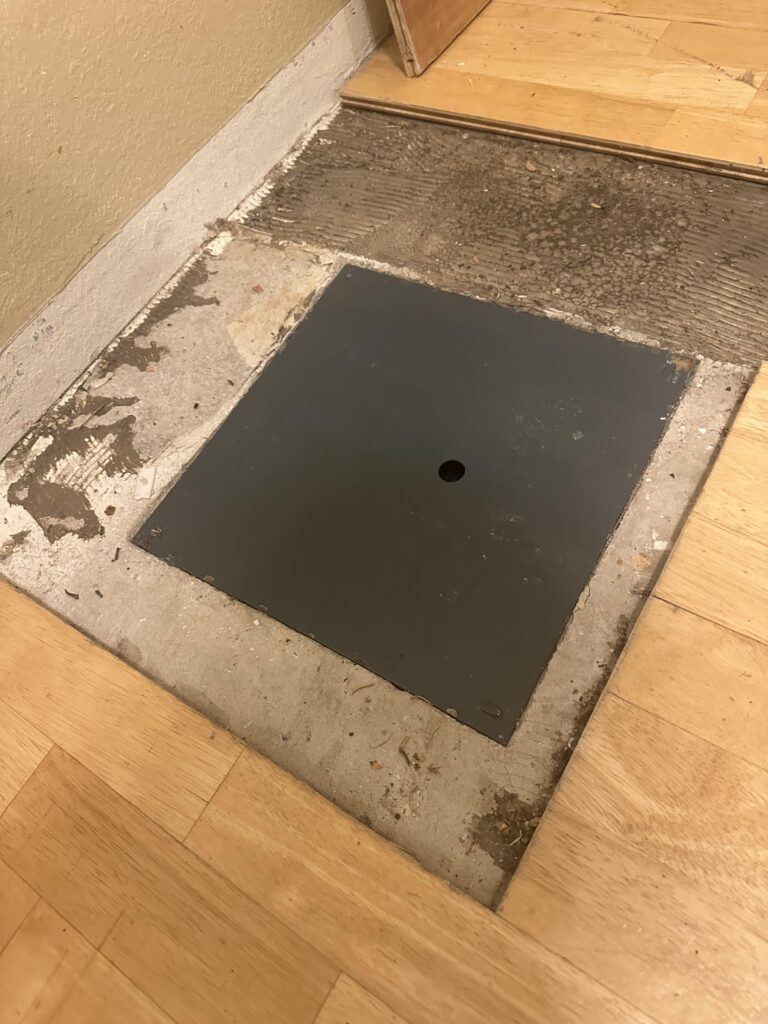
Floor safes are surrounded by concrete, which naturally holds moisture. Over time, this moisture can transfer to the safe’s steel body, causing rust or damaging its contents.
Flood Risk
Despite what some safe manufacturers may advertise, no floor safe door can be completely watertight. If you experience any water intrusion in the area where the safe is located, it is crucial to immediately inspect the safe and dry it out if necessary.
Composite Protection
During installation, the gap between the safe and the concrete must be appropriately filled. Professionals often use a concrete mix that encases the safe. To prevent rust, many experts recommend wrapping the safe body in a moisture barrier or coating it with tar or a similar protective substance before pouring the concrete. Desiccants (moisture-absorbing packets) inside the safe are also essential for keeping your documents and firearms dry.
The Installation Process
Understanding what to know before floor safe installation includes what to expect on the day of the job. It is not a quick DIY project; it involves heavy machinery and precise labor.
Site Preparation
First, the installer marks the area. If a GPR (Ground Penetrating Radar) scan was performed, the installer will stay clear of any marked plumbing lines. Hitting a pipe can turn a security upgrade into a plumbing disaster.
Concrete Cutting and Excavation
Using a concrete saw or jackhammer, the technician creates the opening. They remove the concrete and excavate enough soil to accommodate the safe’s depth plus a few inches for a concrete base. This base prevents the safe from sinking over time.
Setting the Safe
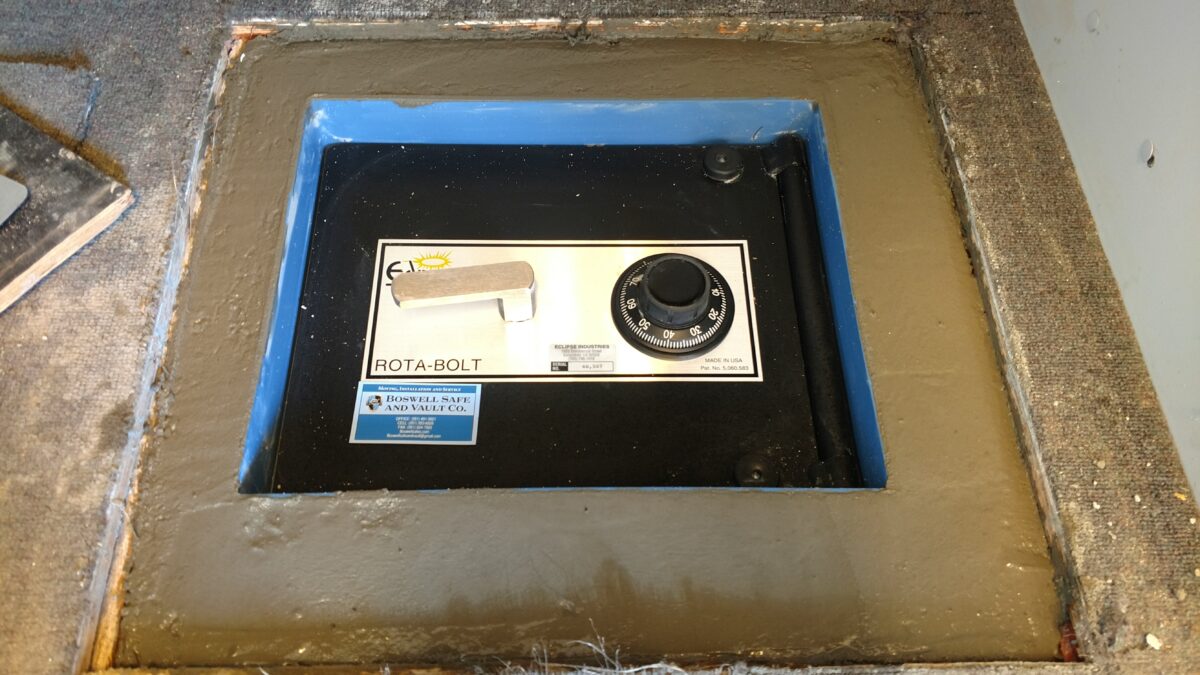
The safe is lowered into the hole. It must be perfectly level. If the safe tilts, the door may open or close on its own, or the locking mechanism may bind. Once leveled, the installer pours concrete around the safe, locking it into the foundation.
Lock Types and Access
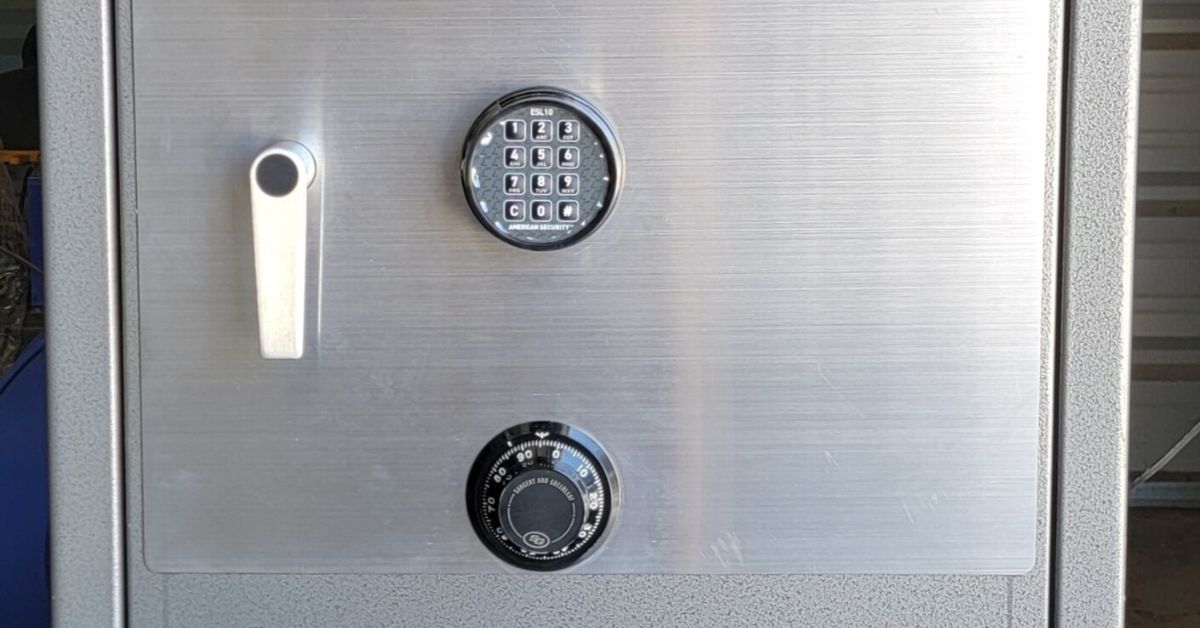
Floor safes typically use mechanical dial locks or electronic keypads.
- Dial Locks: These are highly durable and don’t require batteries. They are less likely to fail due to moisture, making them a solid choice for floor applications.
- Electronic Locks: These offer quick access and easy combination changes. However, because they rely on electronics, they are slightly more susceptible to moisture issues. If you choose an electronic lock, ensure it is rated for the floor-safe environment.
Concealment Strategies
The primary benefit of a floor safe is that it disappears. Once the installation is complete, you need a plan to hide it effectively.
- Carpeting: A loose piece of carpet or a throw rug is the simplest method.
- False Floors: In a closet, you can build a false floor panel that lifts.
- Furniture: Heavy furniture, like a dresser or a workbench, can sit over the safe. Just remember that you need to move this object every time you want to access your valuables.
Why Professional Installation Matters
While it might be tempting to rent a jackhammer and try this yourself, the risks outweigh the savings. A professional brings specific skills to ensure the safe’s long-term functionality.
Structural Integrity
Professionals know how to cut concrete without compromising the surrounding slab. They also know how to mix and place the new concrete so it bonds properly with the existing floor.
Security and Privacy
Hiring a reputable company ensures your privacy. Established companies use unmarked vehicles and discreet crews. You don’t want the whole neighborhood knowing you just installed a vault in your garage floor.
Dust and Debris Management
Concrete dust is fine and pervasive. It gets into HVAC systems and covers every surface. Professional installers use dust containment systems to keep your home clean. They remove the heavy concrete debris, saving you the back-breaking work of hauling it away.
Maintaining Your Floor Safe
Once installed, a floor safe requires minimal but regular care.
- Lubrication: Periodically lubricate the locking bolts and hinges according to the manufacturer’s instructions.
- Lock Inspection: If the lock or locking mechanism begins to function intermittently, it is crucial to get it serviced immediately. This can prevent an inconvenience from turning into a very costly repair.
- Moisture Control: Change the desiccant packs inside the safe regularly to protect paper documents and metal items from humidity.
Making the Decision
Installing a floor safe is an excellent way to enhance your home security. It not only protects against theft but, depending on the model and installation, can also offer fire resistance due to the insulating properties of concrete and earth.
By understanding key considerations before installing a floor safe, you can tackle the project with confidence. Factors such as checking the foundation, selecting the correct location, and addressing potential moisture issues are crucial. With proper planning, you can ensure your valuables stay safe and accessible for years to come.
Secure Your Valuables with Confidence
Ready to take the next step in home security? A properly installed floor safe offers peace of mind that freestanding models cannot match. If you are looking for expert floor safe installation, our team is ready to help.
We provide discreet, professional service to ensure your safe is installed correctly and your home is treated with respect. Contact Boswell Safe and Vault today to discuss your options and schedule a consultation.


Leave A Comment