
A used gun safe can offer strong protection at a practical price point, yet conditions matter more than appearance. Many buyers focus on size and cost first, even though structure and lock performance determine long-term reliability. To properly evaluate a used gun safe before buying, you need to look beyond the surface and inspect how it functions.
A safe protects firearms, documents, and valuables every day. That responsibility demands more than a glance at the paint and handle. Careful inspection reveals whether the unit will perform consistently or require service shortly after installation.
The process begins with identification and progresses step by step through structure, locking components, and fire protection. These are the steps to follow before making a major security decision.
Confirm The Brand And Model Specifications
Every inspection should begin with the manufacturer and model number. Established brands publish detailed specifications that outline steel thickness, lock type, bolt design, and fire ratings. Those details give you a baseline for comparison.
Locate the data plate inside the door or along the body. A clear, intact label lets you confirm the model without guesswork. If the plate appears damaged or removed, ask direct questions before proceeding.
After identifying the model, compare its listed weight and features to the physical safe in front of you. A mismatch between published specifications and actual construction raises immediate concern. Verification at this stage prevents surprises later in the process.
Inspect The Exterior Structure And Door Alignment
Once you confirm the model, shift your attention to the exterior. Surface scratches affect appearance, yet structural damage affects performance. Dents near the door frame or corners deserve close inspection.
Close the door slowly and study the gap around the frame. The spacing should remain even from top to bottom. Uneven gaps suggest stress within the body or misalignment caused by improper movement.
Make sure to examine the hinges. A heavy safe door should open and close smoothly without sagging. If the door drops slightly when opened, the internal alignment may have shifted under its own weight.
Test The Lock Mechanism Thoroughly
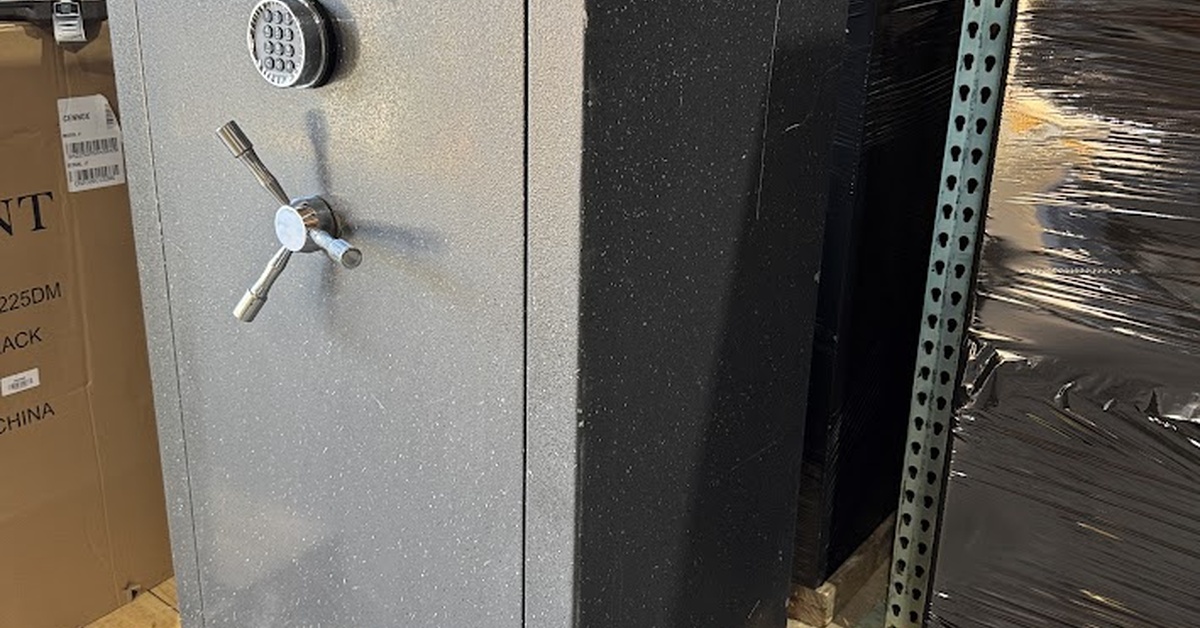
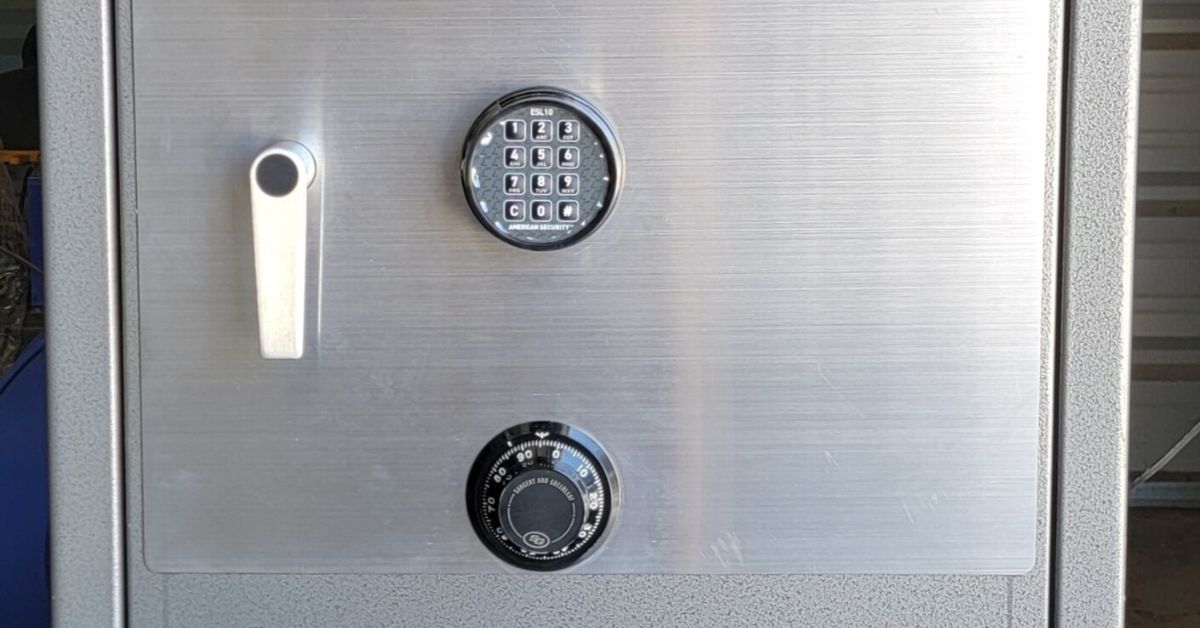
With the door aligned, move to the lock. The locking system determines whether the safe consistently secures its contents. For mechanical dial locks, rotate the dial through several full cycles. The movement should feel smooth and controlled. Grinding, resistance, or inconsistent feedback may signal internal wear.
For electronic locks, enter the code multiple times in succession. The keypad should respond immediately without hesitation. Delayed response or inconsistent signals indicate potential circuit or keypad issues.
After unlocking, turn the handle and observe the bolt movement. Bolts should extend and retract fully without sticking. A lock that intermittently fails may require service, which can affect the overall value of the purchase.
Examine Bolt Work And Steel Thickness
Lock performance depends on the strength of the bolts and the steel construction. Strong bolt work supports the locking mechanism and enhances the door’s resistance under pressure. Check the number and size of the locking bolts along the door edge—larger bolts and multiple locking points offer greater security. Inside the bolt pockets, ensure they are clean and undamaged to maintain optimal functionality.
Shift your focus to exposed steel edges inside the door or body. Thick steel feels rigid and stable when pressed. Thin metal may flex slightly, which reduces resistance to tampering.
Weight also provides insight. Compare the listed manufacturer’s weight to the safe you inspect. A noticeably lighter unit may not match the advertised steel thickness.
Evaluate Fire Protection Components
After evaluating the structural strength, examine fire protection features. Fire resistance relies on insulation panels and door seals working together. Check the heat seal along the door frame for a secure fit without peeling or gaps. Damaged seals can weaken the heat and smoke blocking.
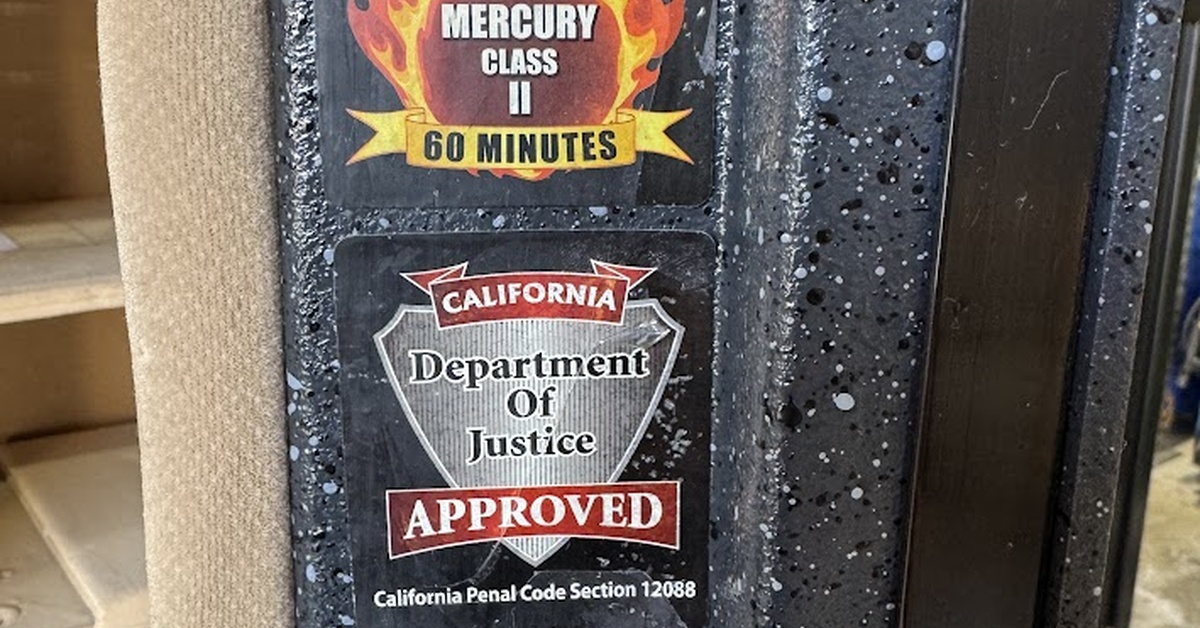
Open the interior and inspect the fireboard panels for cracks, crumbling, or gaps indicating compromised insulation. If interior walls are drilled, modifications may have reduced the fire rating. Also, research the manufacturer’s fire rating standards to understand their real-world effectiveness.
Assess Interior Layout And Storage Capacity
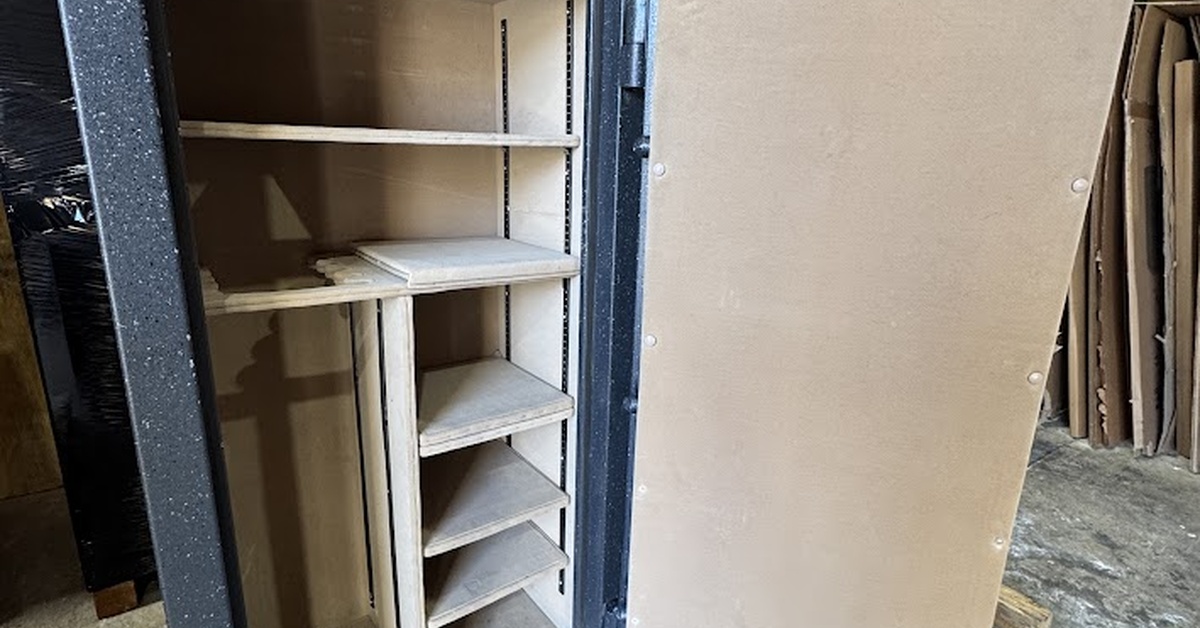
Security matters, yet usability matters too. The interior layout of the safe determines how comfortably you can store firearms and valuables. Check that shelves sit level and remain firmly mounted. Loose brackets or missing mounting points might indicate rough handling, while stable shelving shows consistent care.
Make sure to check gun racks for proper spacing and support. Warped racks can make firearms feel crowded or be hard to place correctly. It’s a good idea to measure the inside depth to ensure longer rifles can fit comfortably without pressing against the door. Interior fabric also tells a story. A clean and intact lining suggests good storage conditions, while too much staining might mean there’s been moisture exposure.
Look For Signs Of Forced Entry or Repair
At this stage, thoroughly check for any concealed damage. Inspect the lock area for drill marks, which may suggest prior forced entry or repairs. Examine any repainted patches near the handle carefully. To uncover hidden damage, scrutinize weld seams along the corners and hinge areas.
Factory welds are typically uniform and consistent. Uneven welds or grinding marks might suggest structural modifications. Also, ask the seller direct questions about the service history. Clear answers help build confidence, whereas vague explanations should raise caution.
Questions To Ask The Seller Before Finalizing
Physical inspection provides one side of the picture. Seller transparency provides the other.
- Why are you selling the safe?
- Has the lock ever required service or replacement?
- How many times has the safe been moved?
- Has a locksmith opened it for any reason?
- Do you have original purchase paperwork?
- Has the safe been stored in a garage or damp area?
These questions clarify how the safe was used and maintained. Combined with your inspection, the answers help you weigh condition against price.
Consider Moving And Installation Requirements
Even the strongest safe loses value if installation causes damage. Large gun safes typically weigh hundreds or thousands of pounds, which requires careful handling.
Evaluate the path from the pickup location to the final placement. Staircases, tight corners, and delicate flooring increase difficulty. Improper handling may shift internal components or damage door alignment.
Professional movers use specialized equipment designed for heavy safes. Including moving costs in your evaluation gives you a clearer understanding of the total investment.
Making A Confident And Informed Decision
When you evaluate a used gun safe before buying, you move beyond surface impressions and focus on function. That shift protects both your firearms and your budget. Each step builds a complete picture of performance and durability.
Boswell Safe and Vault Inc. works with homeowners and gun owners throughout California who want dependable protection and professional guidance. If you are exploring used safes for sale, experienced safe specialists can help you select, move, and install a unit that meets your security needs with confidence.


Leave A Comment