
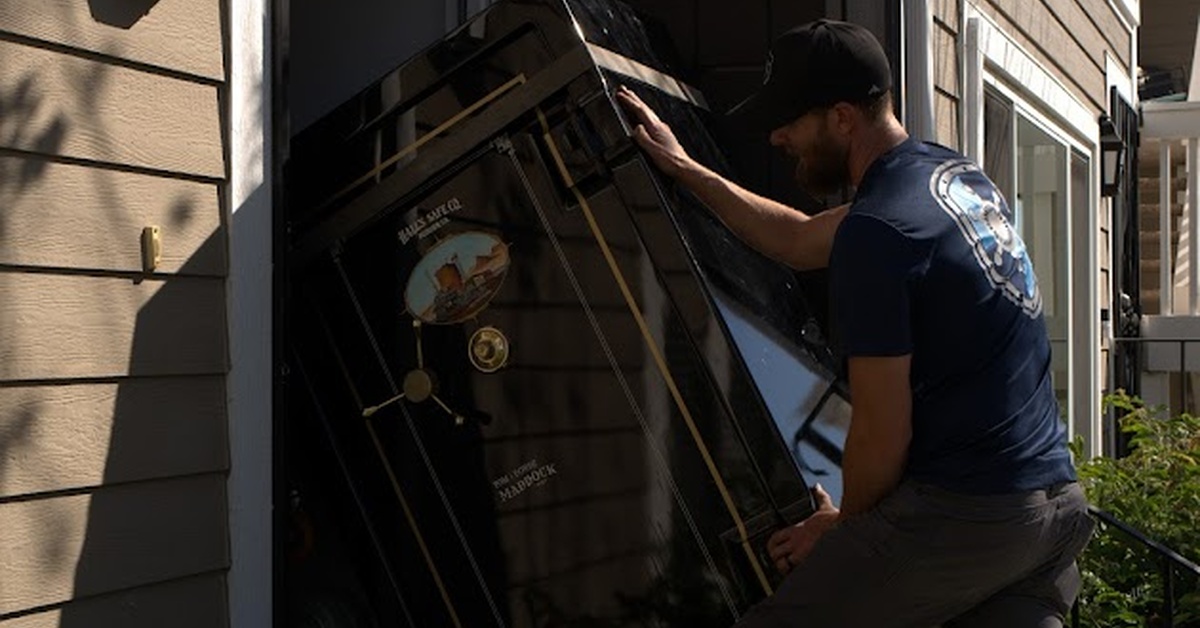
Moving a safe can look simple until the weight starts shifting. You might measure the doorway, rent a dolly, call a few friends, and expect the job to feel like moving a large appliance. A safe doesn’t act like a refrigerator or couch, though. The common risks of DIY safe moving often show up after the safe leaves its original spot, when control matters most.
Safes pack a lot of weight into a compact footprint. That weight can crack tile, dent hardwood, bend thresholds, and strain stairs. It can also injure someone fast when the safe tips, slides, or gets stuck halfway through a turn.
Before you try to move one yourself, it helps to understand where the biggest problems start.
Why Safe Moving Feels Different
Most household items give movers more room to adjust. A dresser, couch, or appliance may feel heavy, yet a few people can often pause, shift their grip, and reset. A safe gives you fewer options once it starts moving.
Many safes have dense bodies, narrow contact points, and awkward shapes. A small tilt on flat ground may feel manageable, while that same tilt on a ramp or stair can pull the safe out of control. Tight hallways, raised thresholds, turns near doors, and fragile floors can make a short move risky.
Injury Risks Can Escalate Fast
Safe moving puts people in awkward positions. Helpers often bend, twist, pull, and brace simultaneously. That mix can strain backs, shoulders, knees, hands, and feet.
The biggest risk of injury comes from a sudden shift. When a safe leans, people often try to catch it. Body strength rarely stops several hundred pounds once gravity takes over.
Hands and feet face constant danger during a DIY move. Fingers can get trapped between the safe and a door frame. Feet can end up under a wheel, a corner, or a dropped edge.
Floors and Doorways Take a Beating
A safe can damage a home even when nobody gets hurt. The weight creates intense pressure on small areas, especially under dolly wheels or safe corners. Flooring may look strong, yet concentrated pressure can leave dents, cracks, and scratches.
Hardwood can dent under a wheel or scrape when the safe shifts. Tile can crack if the pressure hits a weak spot or grout line. Carpet can bunch up under the dolly, making the safe harder to control.
Doorways face similar risks. A safe may clear the width on paper, yet the trim, hinges, and angles can reduce usable space. One wrong turn can gouge drywall, split casing, or damage baseboards.
Stairs Create the Highest Home Moving Risk
Stairs change the physics of the move. The safe no longer rests on a flat surface, and every step changes the balance. Gravity pulls harder with each change in angle, and the team has less time to react.
A staircase has to support the safe, the equipment, and the people helping with the move. Even when the stairs hold, they may still suffer dents, cracked treads, broken nosing, or damaged rails.
Landings also cause problems. A safe can reach the landing and refuse to turn through the next opening. That leaves the team stuck in a cramped space with limited room to back up or adjust.
Equipment Failure Can Turn Dangerous
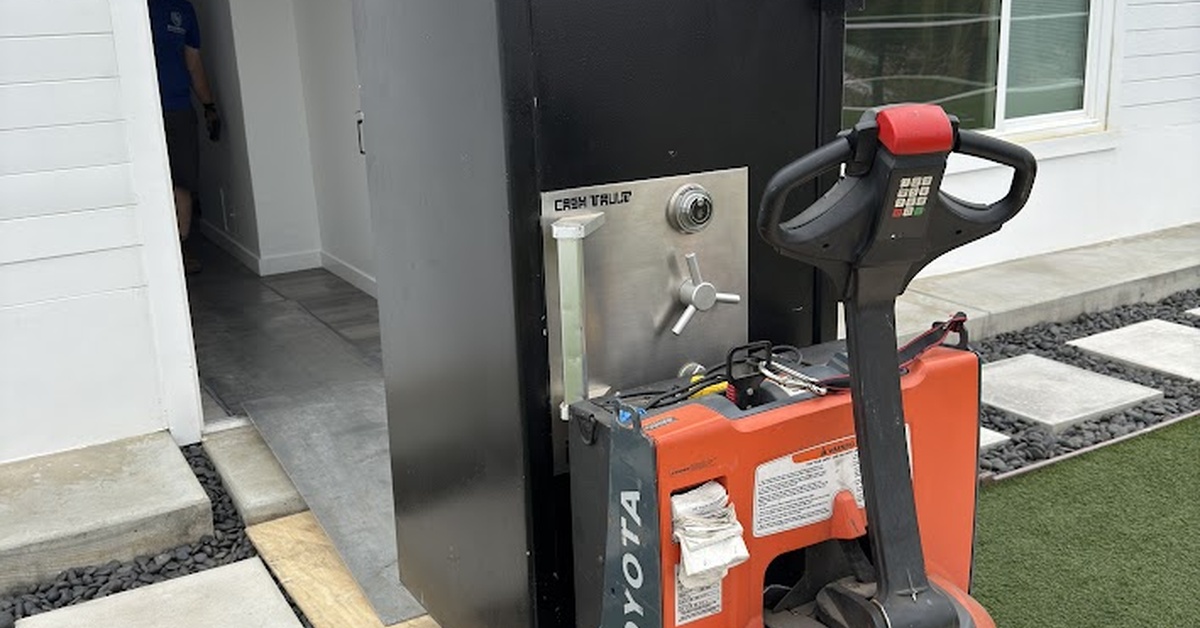
DIY safe moves often depend on rented or borrowed tools. A dolly can fail if the wheels crack, straps slip, handles bend, or the frame twists under load. Even a strong dolly can cause trouble if it lacks the right wheel type for tile, hardwood, gravel, or stairs.
Ramps also need care. A ramp must support the safe’s weight at the correct angle. If it flexes, shifts, or slips, the safe can move faster than the team can control.
Straps deserve the same caution. A strap may feel tight at first, yet loosen when the safe changes angle. Once the safe separates from the dolly, the handlers may lose their best point of control.
The Safe Itself Can Suffer Damage
A safe protects valuable items, but rough handling can damage it. A hard drop or side impact can affect the door, hinges, locking parts, or frame alignment. The exterior may show only a dent or a scrape, while the internal parts take the bigger hit.
Door alignment matters. If the frame shifts, the door may drag, bind, or fail to seal the same way. Locking bolts may not move as smoothly after a hard impact.
Gun safes need extra care because owners often store firearms, documents, accessories, and valuables inside. Emptying the safe helps, but it doesn’t remove the need for careful handling.
Hidden Costs Can Wipe Out DIY Savings
Many people try DIY safe moving to save money. That choice can make sense for lighter items, but a heavy safe changes the math. The costs can add up quickly once equipment and vehicle rentals, fuel, floor protection, and repairs come into play.
The biggest surprise usually comes from damage. A cracked tile floor, gouged wall, broken threshold, or damaged stair tread can cost more than a professional move. If the safe gets stuck, the owner may still need help to finish the job.
Injury costs can climb even higher. A strained back, crushed finger, or foot injury can affect work, daily routines, and medical expenses.
Common DIY Safe Moving Risks Explained Before the First Lift
The best time to spot risk comes before anyone tilts the safe. A quick route check can reveal whether the move deserves professional help.
Ask these questions before you start:
- Can your dolly handle the safe’s weight and shape?
- Can the route handle the safe without floor or wall damage?
- Do stairs, landings, or tight turns create control problems?
- Can helpers stop safely if the safe starts tipping?
- Can you reverse the move if the safe gets stuck?
- Have you removed items from inside the safe?
If any answer creates concern, pause before moving the safe. The common DIY safe moving risks explained here all connect to one issue: control. Once you lose control of the safe, every part of the move becomes harder and more expensive.
When Professional Help Makes Sense
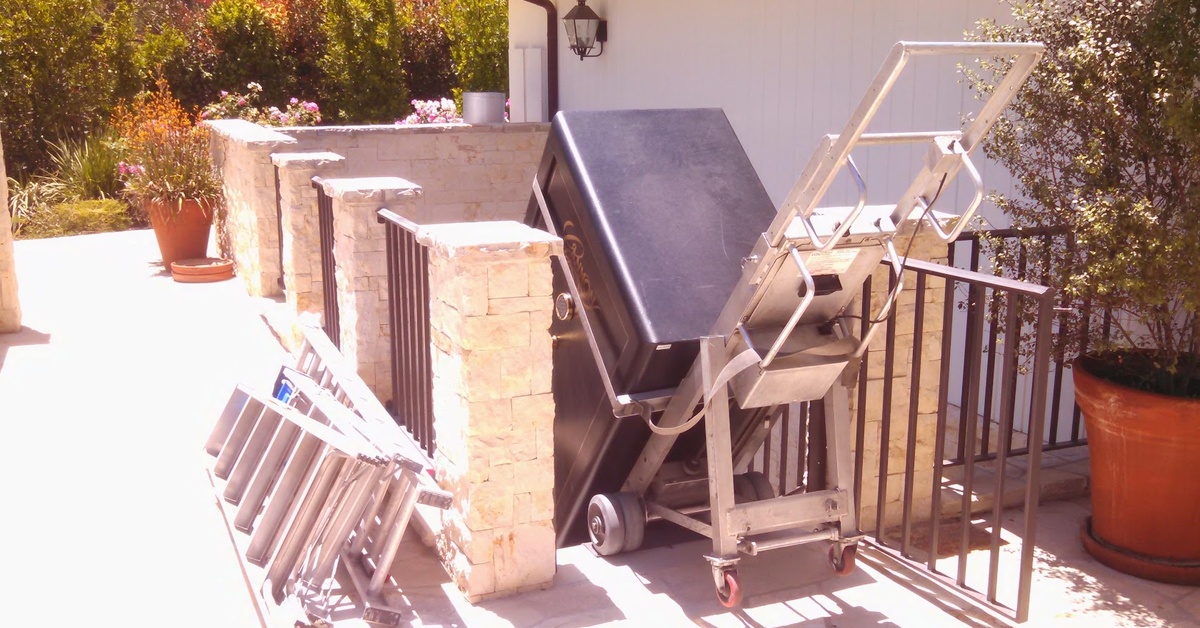
Some safe moves call for trained help from the start. Stairs, fragile flooring, high-value safes, tight closets, sloped driveways, and uneven outdoor paths all raise the risk. A heavier safe also demands better equipment and a stronger plan.
A professional crew checks the route, protects surfaces, uses safe-specific tools, and controls the move from pickup to placement. That planning helps reduce property damage and lowers the chance of injury.
If you need a safe moving company, choose one that understands weight limits, home layouts, safe construction, and careful placement. The right team should move with patience, protect the property, and explain the plan in plain language.
Make the Safer Call
DIY safe moving can bring more risk than most people expect. Heavy weight, awkward balance, fragile flooring, stairs, and tight turns can create damage before the safe reaches the truck. The move can also harm the safe’s lock, door, hinges, or frame.
A careful plan can lower some risk, but it can’t replace the right tools or trained handling for difficult moves. For heavy safes, stairs, tight spaces, or delicate floors, contact Boswell Safe & Vault Co. for careful safe relocation.


Leave A Comment