
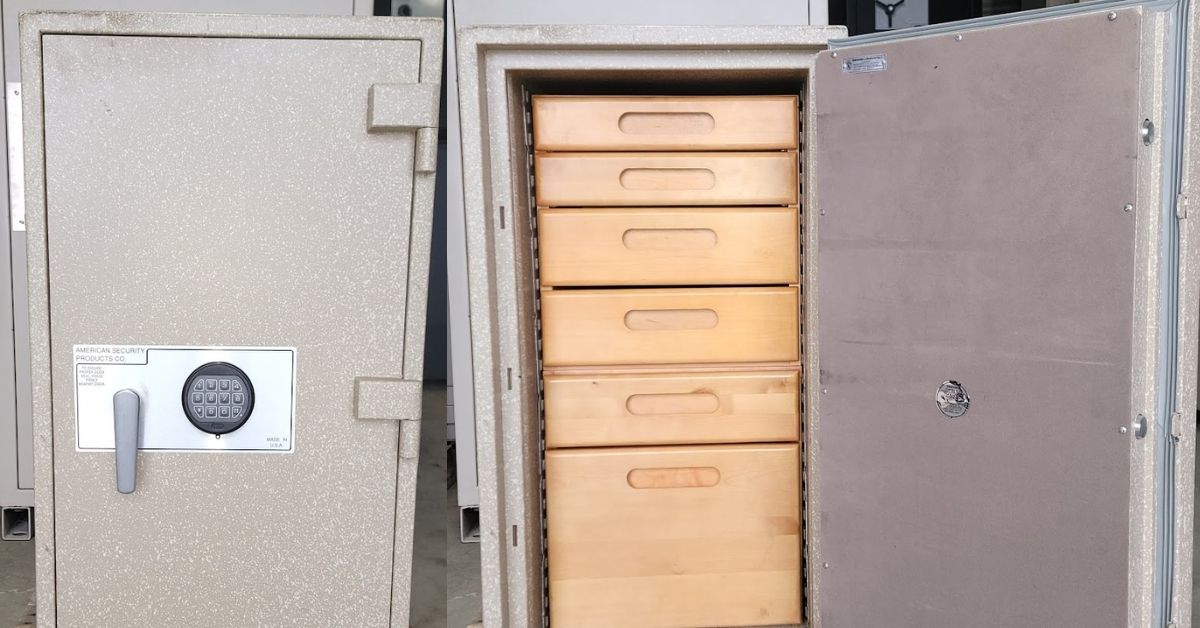
You turn the dial, check the tick marks, and pull the handle. Nothing. You try again. Still nothing. Frustration builds as your gun safe or home vault refuses to open. Beyond the stress of lost access, you likely worry about the cost. Most owners have little knowledge of locksmith pricing or why rates vary. Understanding what affects the price of safe repairs helps you manage expectations and avoid sticker shock.
High-quality safes protect your most valuable assets and are designed to resist unauthorized entry. If a lock fails or you lose the combination, accessing the safe requires specialized skills and tools. Let’s explore these factors so you can make informed decisions about your security.
Lock Complexity Impacts Effort
The type of lock on your safe is a primary factor in how difficult it is to open and, consequently, the associated cost.
Mechanical Dial Locks
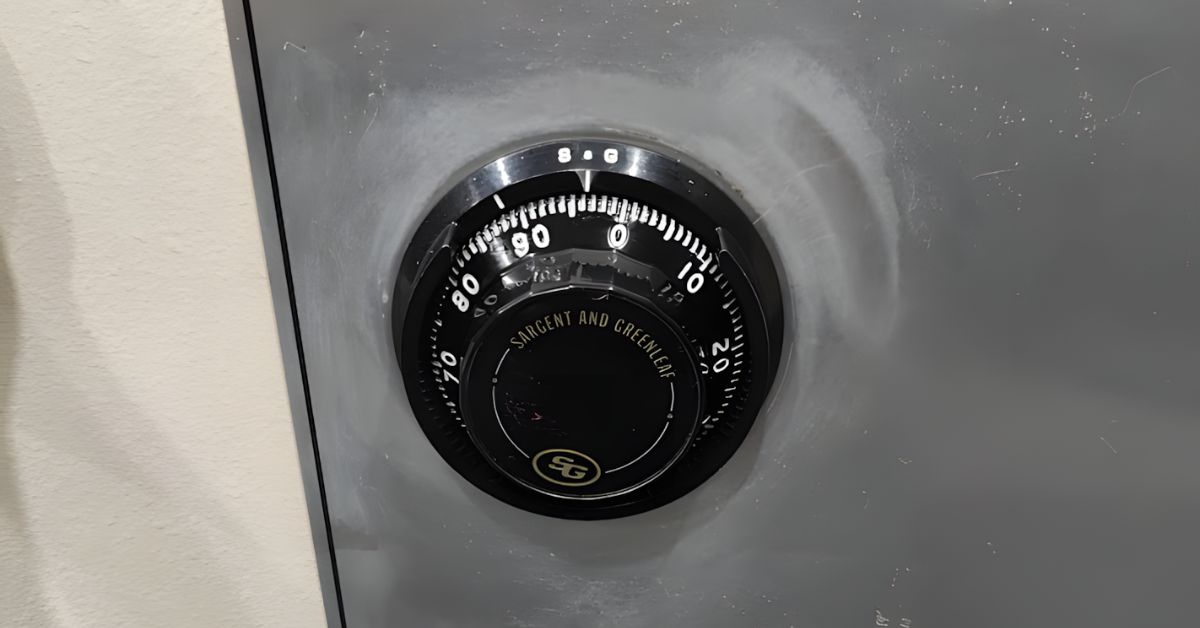
Classic dial locks are the traditional spinning combination locks that rely on the precise alignment of internal wheels. If you’ve lost or forgotten the combination, a skilled safe technician might use a technique called manipulation. This involves carefully attempting to determine a combination by feel, using the resistance of the dial and the internal wheels as references. This often relies on knowing at least one number of the combination. For example, some users may forget one or more of the numbers to their combination but the tech would have a good starting point to work from.
While this non-destructive method preserves the integrity of the lock and the safe, it requires highly specialized skills and can take several hours to complete, thereby increasing labor costs.
Electronic Keypads
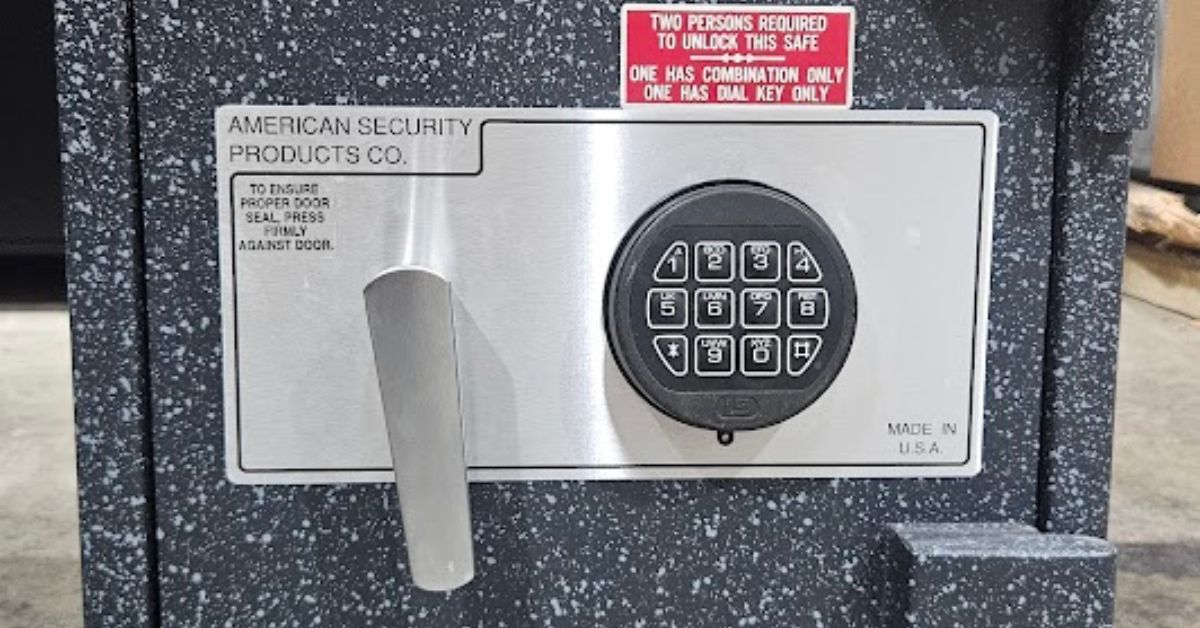
Digital locks offer the convenience of quick access with a code, but are susceptible to electronic failure. Sometimes, the issue can be as simple as a dead battery or a faulty keypad that needs replacement. However, if the internal electronics or wiring fail, drilling often becomes necessary.
Since these locks contain delicate wires, circuit boards, and sensors, the drilling process must be executed with extreme precision to avoid damaging other components. This level of care and expertise justifies the higher fees associated with opening electronically locked safes.
Redundant Locks
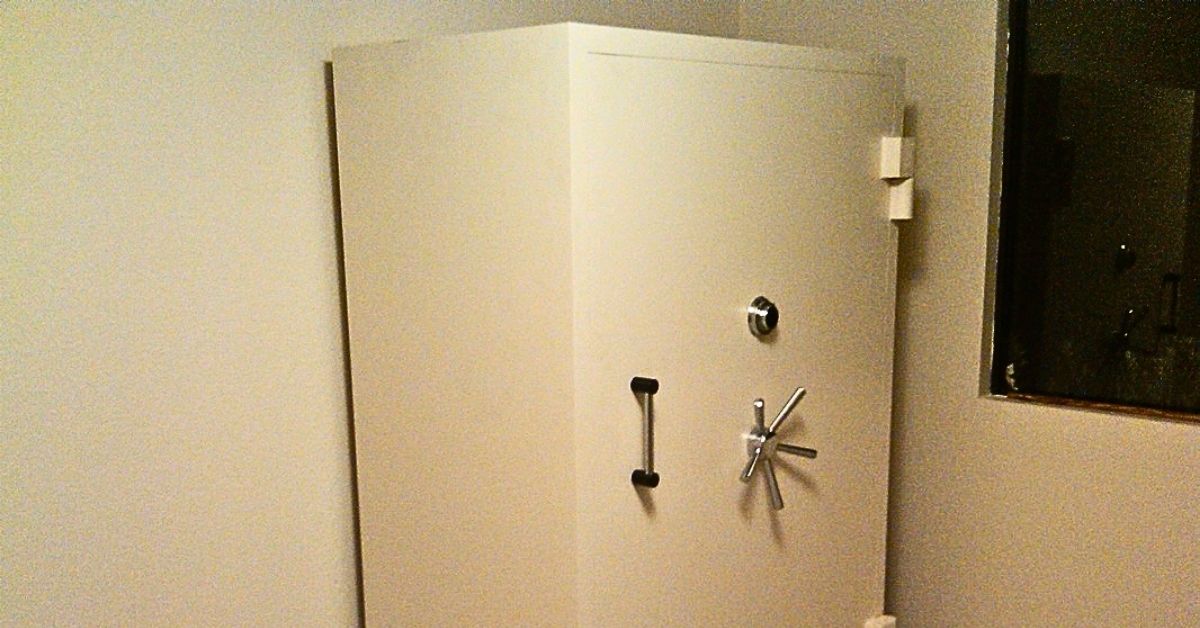
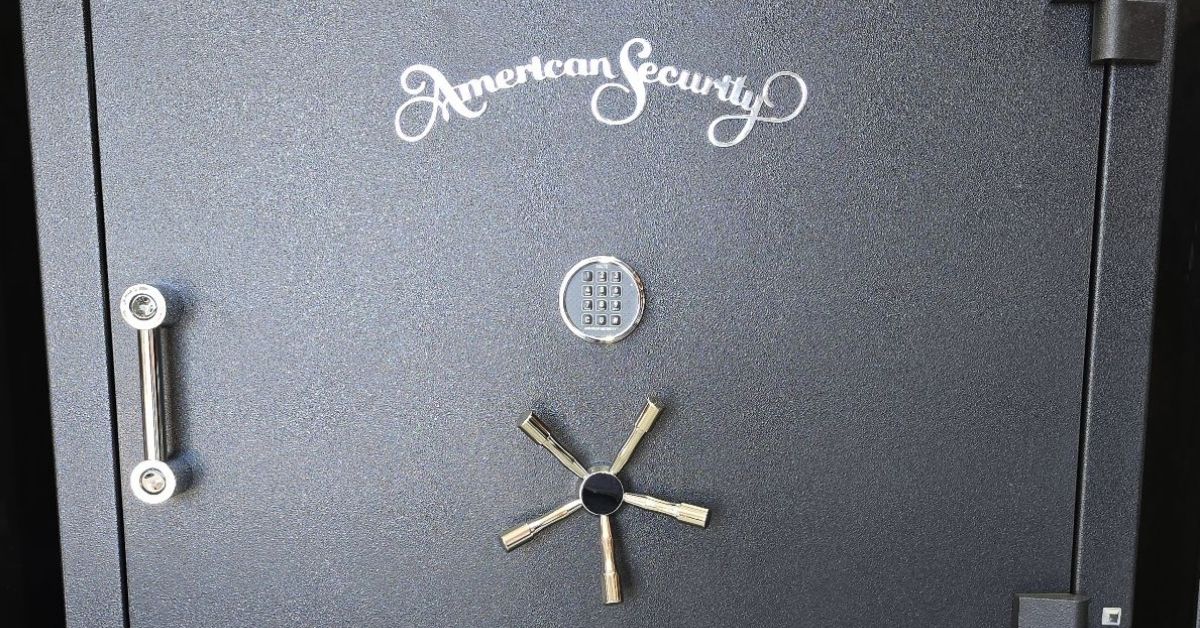
High-end safes often feature redundant lock systems, such as both a mechanical dial and an electronic keypad, to provide a reliable backup if one method fails. For example, if the electronic keypad malfunctions, you can still use the dial. However, if the internal boltwork of the safe jams or a relocker is activated, neither lock will open the door.
Diagnosing and repairing these complex internal mechanisms can be significantly more time-consuming for a technician, thereby increasing the overall cost of the service.
Security Ratings Add Resistance
Safes are rated for their resistance to forced entry. High-security safes, such as TL-15 or TL-30 models, include features such as rigid plates, which are hardened steel that destroy drill bits, and glass relockers, which trigger additional locks if drilled incorrectly. Opening these safes requires expensive tools, training, and blueprints, driving up costs.
Entry Methods Affect Pricing
Technicians choose between destructive and non-destructive methods to open a safe, depending on the specific situation and the safe’s construction.
Drilling The Safe
Drilling is the most common professional method for opening a locked safe. It involves creating a precise, small hole at a strategic location to either turn off the lock mechanism directly or gain access to it. A highly skilled technician can perform this with minimal collateral damage to the safe itself.
After the safe is opened, it is repaired by installing a new lock and plugging the hole, restoring its security. The final cost includes labor for the drilling and repair, as well as the price of new parts and materials.
Safe Manipulation
Manipulation is a non-destructive technique that involves opening the safe without drilling or causing any damage. This preserves the original lock and keeps the safe in its factory condition. It’s a highly specialized skill, often compared to picking a complex lock, and requires extensive training and patience.
Because it can take many hours to accomplish, the labor costs can be significantly higher than for drilling. In cases where the lock is broken or has malfunctioned internally, manipulation may not be possible, and drilling might still be necessary.
Scoping Through the Change Key Hole
If the safe’s design and location allow, a technician can use a borescope, which is a small camera on a flexible tube, to look inside the lock. By inserting the borescope through the change keyhole, the technician can see the lock wheels and align them to determine the combination.
This method is slightly less destructive since the access hole isn’t drilled directly into the lock. However, it requires specific conditions, such as access to the back or side of the safe, which may incur additional labor costs to move it.
Replacement Parts Add Costs
Once the safe is successfully opened, restoring it to full functionality is the next crucial step. Depending on the method used to open it and the condition of its internal components, this could involve straightforward repairs or more extensive replacements. The process often includes replacing damaged locks or repairing internal boltwork and other mechanisms to ensure the safe can be used reliably again.
Lock Upgrades
A lockout is a good time to upgrade. Replacing a dial with an electronic keypad adds convenience, while changing an electronic lock to a dial lock tends to increase reliability. The type of lock you choose affects the total price.
Boltwork Repairs
If the lock works but the handle spins or the door won’t open, the boltwork linkage may have failed. Fixing this often requires disassembling the door, which adds labor costs. If parts are discontinued, technicians may need to fabricate replacements, which would increase costs.
Location and Timing Influence Rates
Mobile service covers fuel, vehicle maintenance, and travel time, which means the farther you are from the shop, the higher the fees may be. This is particularly true if you live in a remote or rural area, where the added distance requires more resources and time to reach you.
Lockouts rarely happen at a convenient moment, and needing help after regular business hours or on weekends often means paying overtime rates. To avoid higher charges, it’s best to call during standard working hours whenever possible. Planning for such situations can save you money and reduce stress when emergencies happen.
Expertise Saves Money Long-Term
Hiring the cheapest locksmith or attempting a DIY solution often results in higher costs later. Inexperienced techs can cause irreversible damage, leaving you to replace the safe entirely. Certified safe technicians invest in training, tools, and reference materials to open safes with minimal damage and restore them to factory condition, making their services cost-effective.
Preventative Maintenance Cuts Costs
Neglect causes many lockouts. Replace electronic keypad batteries annually with high-quality alkaline batteries to avoid voltage drops. Mechanical dials need to be operated gently and shouldn’t be lubricated by the end user, as sticky grease or misaligned wheels can lead to failure. If the lock starts to open intermittently, it’s crucial to have maintenance performed sooner than later. A maintenance call costs far less than an emergency opening.
Protect Your Valuables the Right Way
Safes are designed to secure your property, but when that security becomes a barrier, you need a solution that balances speed, cost, and preservation. Understanding the cost of safe repairs and the factors that affect pricing will help you make the best financial and security decisions.
Don’t let a lockout compromise your security or wallet. Contact us today for our safe repair service. Your peace of mind will thank you. Your security is our priority!



Leave A Comment