

When you find yourself locked out of a safe, it can be stressful and even a little scary. Understanding how safe and vault techs handle lockouts can help you stay calm and make the right decisions to regain access safely. These professionals combine specialized tools, training, and experience to open safes without damaging the safe or its contents.
In this quick guide, we’ll walk through the methods, tools, and best practices used by expert technicians, so you know exactly what to expect if you ever face a lockout.
Common Reasons for Safe Lockouts
Lockouts happen more often than most people realize. Here are some of the most frequent causes:
- Lost or misremembered combinations – A common issue for home or office safes.
- Faulty electronic locks – Power failures, dead batteries, or worn-out components can make electronic safes unresponsive.
- Key loss or damage – Physical keys can be misplaced, broken, or worn down over time.
- Mechanical failure – Internal components, such as locking bolts, wheels, or gears, may wear out or become misaligned.
- After a move or installation – New owners sometimes struggle with unfamiliar locks.
Understanding why a lockout occurred is the first step for technicians to determine the safest and most efficient method to regain access.
Step 1: Assessment and Safety First
When a professional arrives, the first task is always assessment. Here’s what typically happens:
- Examine the safe – Technicians identify the type, model, and locking mechanism.
- Check for potential hazards – Older safes may have rusted bolts, sharp edges, or heavy components that can shift during opening.
- Determine access options – Depending on the lock type, the technician will decide whether the lock can be manipulated, drilled, or bypassed without damage.
Quick Tip: Never attempt to pry open a safe yourself. Even small mistakes can damage the locking mechanism or compromise security.
Step 2: Tools of the Trade
Safe and vault techs use highly specialized tools designed specifically for lockouts:
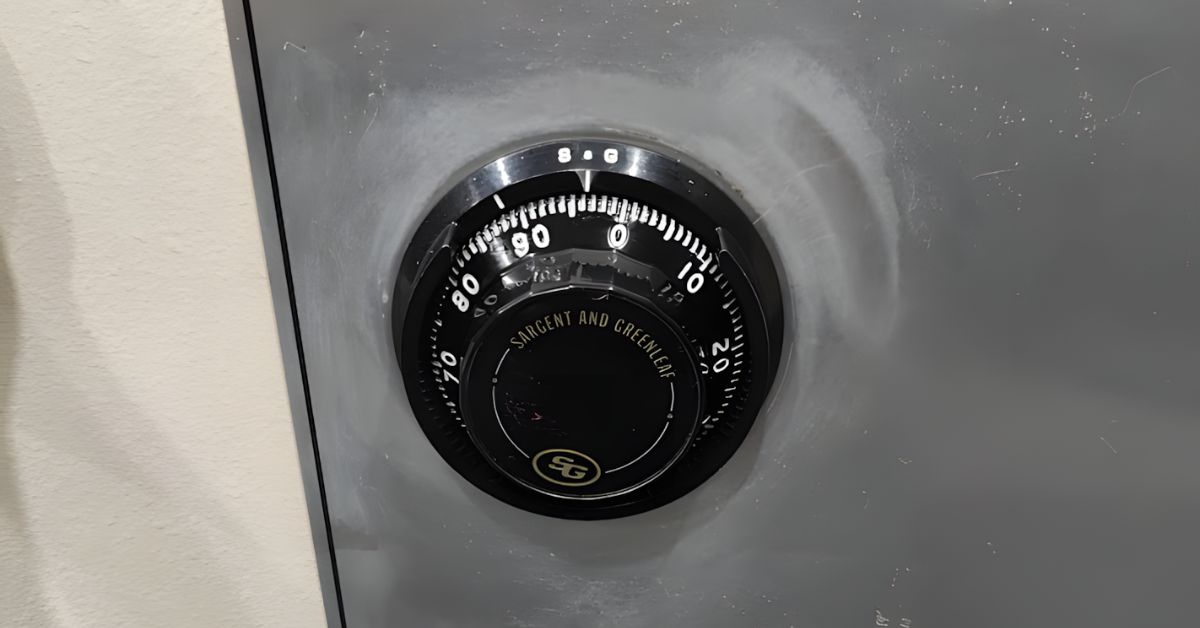
- Dial manipulation tools – Used on combination locks to “feel” the gates inside and unlock the safe without drilling.
- Electronic lock programming devices – Allow technicians to reset or bypass digital locks safely.
- Drill kits – For high-security or malfunctioning locks where non-destructive methods aren’t possible.
- Lock pick sets – Sometimes used for simple key locks or less secure models.
- Torque and pry tools – For repositioning internal parts or aligning misaligned bolts.
Technicians are trained to select the most appropriate method based on the safe type and client needs.
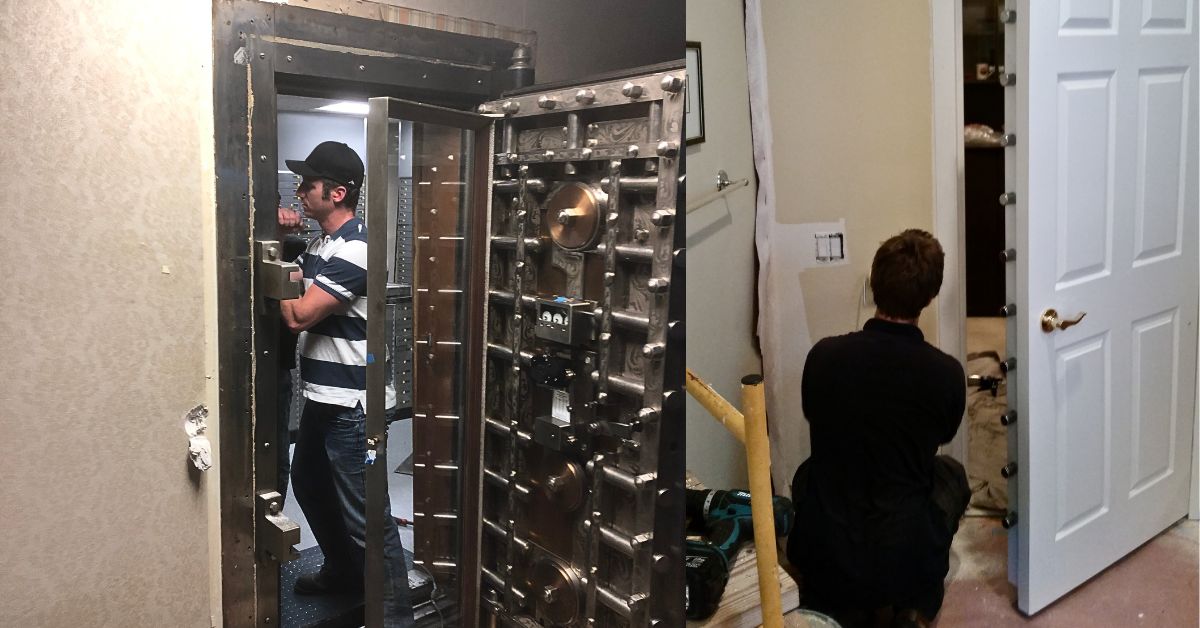
Step 3: Non-Destructive Techniques
Whenever possible, professionals strive to open safes without causing any damage. Non-destructive techniques are highly preferred because they maintain the safe’s original functionality and preserve its overall value.
Some common methods used by experts include:
- Dial manipulation – For combination locks, technicians can carefully turn the dial to locate the correct sequence.
- Electronic lock override – Many modern safes allow for an override code or temporary programming access.
- Key decoding – For key-operated locks, experienced techs can decode and replicate the key without cutting new ones mindlessly.
These methods require patience, precision, and years of training. Attempting them without proper experience can lead to permanent damage.
Step 4: Destructive Methods (When Necessary)
Sometimes, the safe cannot be opened non-destructively. In those cases, carefully controlled destructive techniques are used:
- Drilling – Small, precise holes allow technicians to manipulate the lock mechanism directly.
- Lock replacement – After drilling or bypassing, the lock may need to be replaced to restore complete security.
- Panel removal – For large or modular vaults, specific panels may be removed to access the locking mechanism.
Even in destructive situations, professional techs prioritize safety and minimize damage to the safe’s exterior.
Quick Tip: Always work with certified technicians for destructive openings. Unauthorized attempts can void warranties or damage your property.
Step 5: Restoring Security
Opening the safe is only the first step in the process. After gaining access, technicians implement additional measures to maintain and enhance ongoing security for the safe. Here’s how they store the vault’s security:
- Inspect the lock – Verify that the locking mechanism is fully operational.
- Reprogram or replace electronic locks – Ensure the combination is reset and secure.
- Lubricate and maintain – Moving parts are cleaned, lubricated, and checked for wear.
- Provide new keys or backup codes – For key safes, duplicates may be provided to prevent future lockouts.
Proper follow-up ensures that the safe remains safe for years to come.
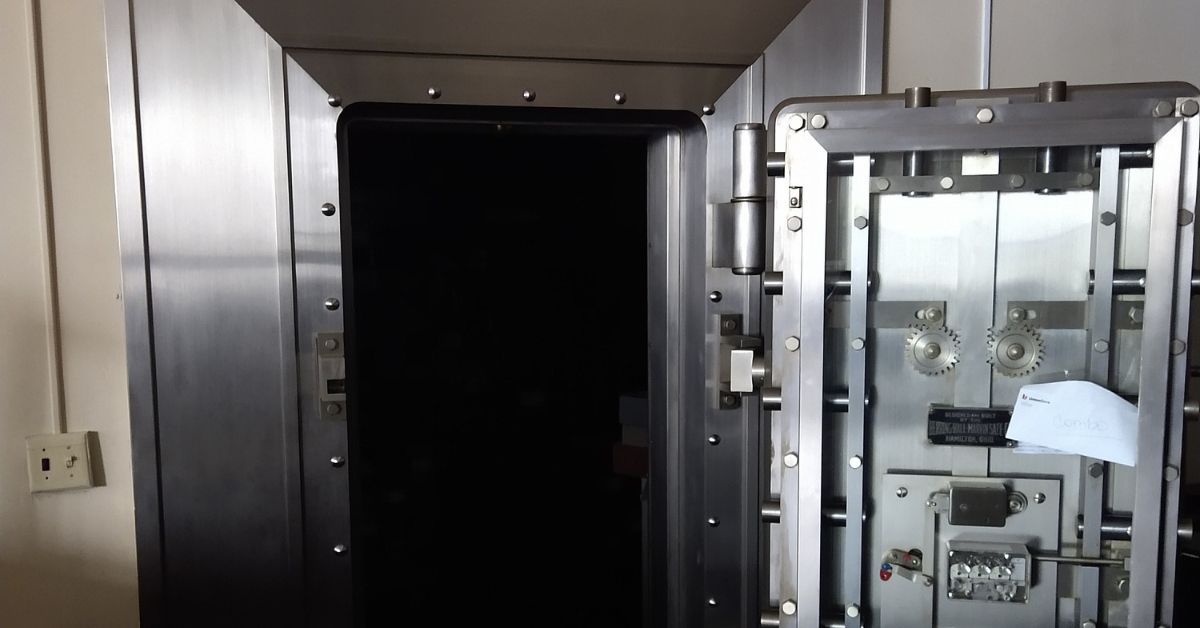
Tips for Preventing Future Lockouts
Preventing lockouts is always preferable to dealing with the inconvenience and potential risks they pose. Experts often recommend the following precautions:
- Maintain a secure and organized record of your lock combinations or key locations to facilitate quick access when needed.
- Regularly change the batteries in electronic locks to ensure they function properly without interruption.
- Perform routine maintenance, including cleaning and lubrication, to keep locking mechanisms operating smoothly.
- Avoid moving or relocating the safe without professional assistance to prevent accidental damage or misplacement.
When Is It Necessary to Call a Professional?
You should consider contacting a qualified safe technician if:
- You cannot remember your combination or have lost the key, which renders access impossible.
- The lock is malfunctioning, sticking, or exhibiting irregular behavior that prevents proper operation.
- You have attempted multiple opening attempts without success, risking potential damage to the safe or lock mechanism.
- The safe contains valuable items, sensitive documents, or irreplaceable possessions that require careful and professional handling.
Calling a professional helps ensure proper access but also enhances safety, saves time, and offers peace of mind through expert assistance and advice, reducing the risk of damage or security breaches.
Why Professional Expertise Matters
Understanding how safe and vault techs handle lockouts highlights the importance of hiring trained professionals. From assessment to access and restoration, every step is carefully executed to protect both your valuables and the safe itself. Trying DIY methods or unqualified services can result in unnecessary damage, higher costs, and compromised security.
If you need assistance with high-security or complicated safes, contact experts specializing in bank vault removal and safe relocation. With experienced professionals handling the process, you can regain access safely and maintain the integrity of your safe. Don’t risk costly mistakes. Instead, rely on the trusted team to get your safe open efficiently and securely.


Leave A Comment